
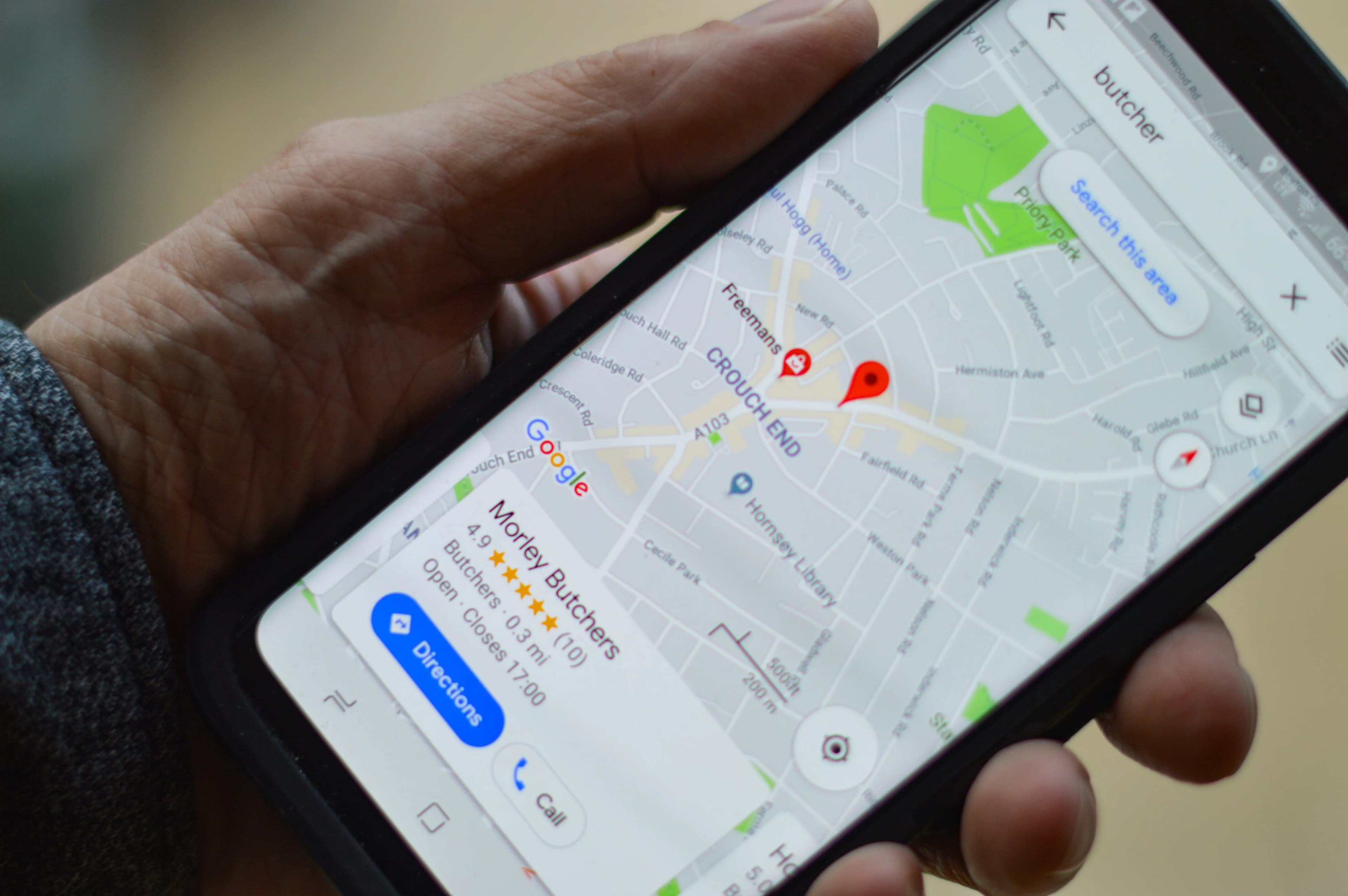
It is incredibly frustrating to know you provide the best service in town, only to watch a competitor with terrible customer service and a shoddy reputation rank above you on Google Maps.
You are out there doing the actual work, and they are winning the jobs simply because they know how to play the search engine game.
Here is the candid truth: Google does not automatically know you are the best. You have to prove it with the exact signals the algorithm looks for.
In 2026, dominating Google Maps and local search is about building a verified, trusted, and highly relevant digital entity.
If your business is not showing up in the Local Pack (top three map results on page one), you are functionally invisible to the majority of local customers.
Here is the step-by-step Local SEO checklist to dominate your service area, covering what you must do and what you should skip. If you want a team to execute this for you, check out DewBwah's specialized local marketing solutions here.
Phase 1: Master Your Google Business Profile (GBP)
Your Google Business Profile is one of the strongest local ranking factors. Treat it with the same care as your storefront or work truck.
1. Claim, Verify, and Perfect the Basics
- Claim your listing in Google Business Profile Manager and request ownership if needed.
- Nail your NAP: Name, Address, and Phone must be exact everywhere.
- Set accurate hours, including holidays, to avoid trust-killing customer friction.
2. Categorize Ruthlessly
- Pick the most precise primary category (for example, Plumber, not generic Contractor).
- Add relevant secondary categories tied to real services you actually provide.
- Do not add categories that are only partially relevant.
3. Build a Geotagged Visual Proof Engine
- Upload fresh photos weekly: branded trucks, local jobs, before-and-after work, and team shots.
- Use real jobsite images, not generic stock photos.
- Post regular GBP updates, offers, and Q&As to stay active in the AI-driven local results landscape.
Phase 2: The Trust Signals (Reviews & Reputation)
Review velocity and sentiment are now non-negotiable. It is not just your star rating. It is how consistently new reviews arrive and how you respond.
1. Prioritize Velocity Over Volume
- Steady new reviews often beat stale total review count.
- Automate review asks by SMS or email right after each completed job.
- Use direct review links so customers can submit in one click.
2. Guide Sentiment and Context
Ask customers to mention what service you completed and where. Service + location detail in reviews helps local relevance.
3. Respond to Everything (Fast)
- Reply to all reviews within 24-48 hours.
- For positive reviews, thank them and naturally include service/location context.
- For negative reviews, acknowledge the issue, stay professional, and move resolution offline quickly.
Alt text: Close-up of a smartphone showing five gold stars and a positive local business review.
Phase 3: On-Page Website Optimization
Your website validates your GBP. If your site is slow, generic, or not location aligned, rankings will stall.
1. Build Hyper-Local Service Pages
- Create dedicated pages for each core service (for example, /ac-repair, /furnace-installation).
- Create city pages if you serve multiple suburbs or regions.
- Do not dump all services into one generic homepage.
2. Implement LocalBusiness Schema Markup
- Add LocalBusiness schema on the homepage.
- Include area served, geocoordinates, and operating hours.
- Use JSON-LD so Google can parse your business entity cleanly.
3. Optimize for Mobile Speed and Frictionless Booking
Google's mobile-first indexing is standard. Review Google guidance here. If your site takes more than about 3 seconds on a 4G connection, users bounce.
Keep click-to-call visible and make booking frictionless on mobile.
Phase 4: Citations & Local Authority
In 2026, citation quality and consistency beat citation volume.
1. Clean Up Big Data Aggregators
- Apple Business Connect (Apple Maps)
- Bing Places
- Yelp
- Better Business Bureau (BBB)
2. Audit NAP Consistency
Run regular audits with tools like BrightLocal or Whitespark and fix mismatched addresses, phones, or business names quickly.
3. Earn Real Local Backlinks
- Sponsor local organizations and request sponsor-page links.
- Join your Chamber of Commerce.
- Partner with complementary local businesses for genuine mentions.
Alt text: A digital dashboard highlighting local SEO mistakes to avoid.
Phase 5: What to Skip (Mistakes Costing You Rankings)
Bad local SEO tactics can get your listing suppressed or suspended. Avoid these.
Skip Keyword Stuffing in Your Business Name
Your GBP name should match your real-world legal name. Artificial keyword stuffing can trigger suspension.
Skip Fake Reviews or Incentivized Reviews
Do not buy reviews or trade cash/gift cards for 5 stars. Spam patterns are easier than ever for Google to detect.
Skip Low-Quality Directory Spam
Mass cheap directory submissions are mostly ignored. Focus on authoritative and locally relevant properties.
Skip Ranking Too Far Outside Your Proximity
Dominate your immediate radius first. Proximity remains a major local map ranking factor.
Conclusion
Ranking #1 in your service area is a compounding process. A flawless GBP, steady authentic reviews, localized website content, and strict NAP consistency prove to Google that you are the most trusted local answer.
It takes consistency, but owning top map visibility can transform lead flow and revenue for a local service business.
Further Reading
If you want to go deeper on local rankings, reviews, and technical setup, start here:
1. Google Business Profile Help Center
Official guidelines for profile setup, verification, categories, posts, and policy compliance.
https://support.google.com/business/2. Google Search Central: SEO Starter Guide
Google's own fundamentals for making your site understandable and rankable in search.
https://developers.google.com/search/docs/fundamentals/seo-starter-guide3. Google Search Central: LocalBusiness Structured Data
Technical documentation for implementing LocalBusiness schema markup the right way.
https://developers.google.com/search/docs/appearance/structured-data/local-business